
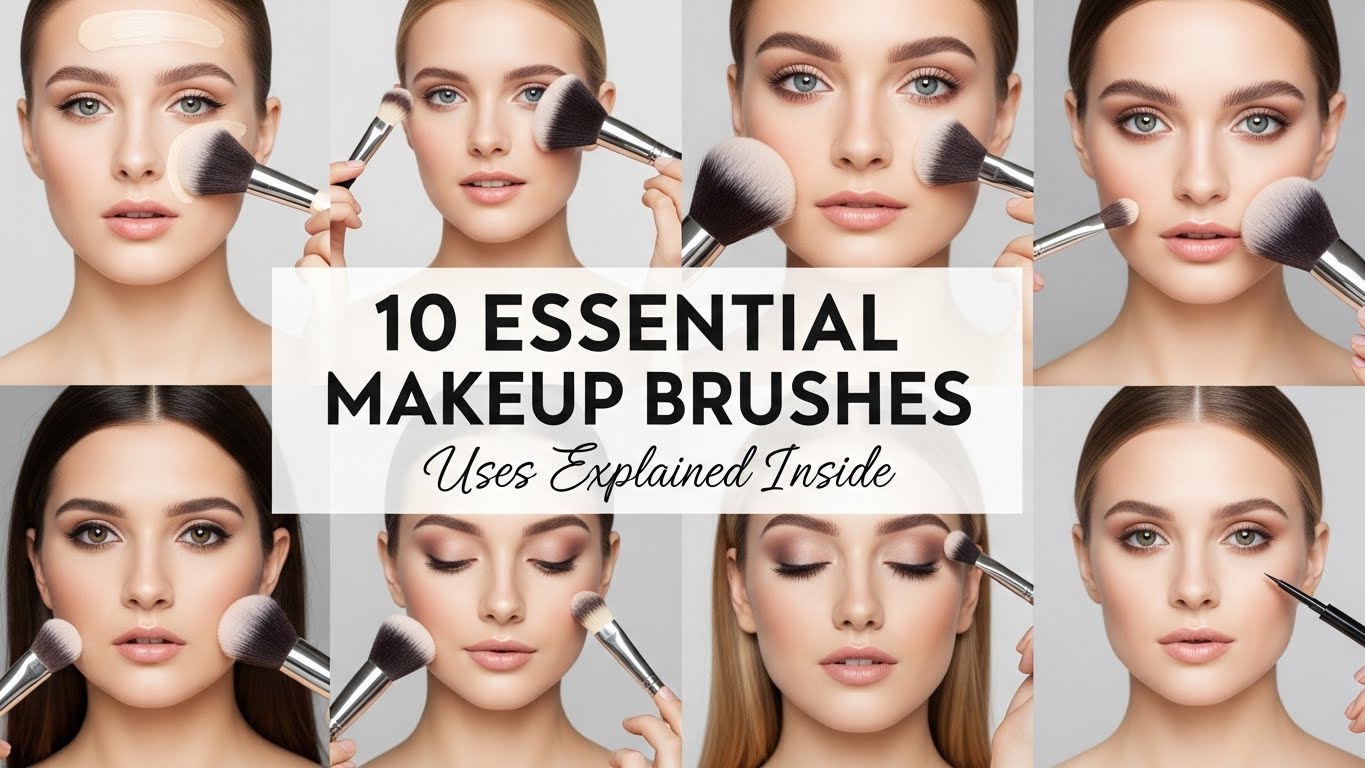
Makeup brushes are the unsung heroes of every flawless beauty look. While makeup products get most of the attention, it’s the brushes that truly determine how smoothly, evenly, and professionally those products are applied. Whether you’re a beginner learning the basics or a beauty enthusiast refining your technique, understanding makeup brushes can completely elevate your routine. Each brush is designed with a specific purpose—helping you blend seamlessly, define precisely, and create looks that feel intentional rather than accidental. Once you understand which brush does what, makeup stops feeling complicated and starts feeling empowering.
Understanding Different Types of Makeup Brushes
Walking into a beauty store and seeing rows of makeup brushes can feel overwhelming. The key is knowing that most brushes fall into three main categories: face, eye, and lip brushes. Face brushes include foundation, powder, blush, bronzer, and contour brushes, each varying in density and shape. Eye brushes range from fluffy blenders to precise liner tools, while lip brushes are designed for controlled, detailed application. Once you understand these groups, choosing the right brush becomes far less intimidating and far more intuitive.
Essential Makeup Brushes for Beginners
If you’re just starting out, you don’t need a massive collection. A solid beginner set includes a foundation brush or sponge for even coverage, a fluffy powder brush to set makeup, a blush brush for natural color, and a small concealer brush for spot correction. For the eyes, a flat shader brush and a blending brush can handle most looks—from soft everyday makeup to simple smoky eyes. These essentials give you versatility without unnecessary clutter.

How to Choose the Right Makeup Brush for Your Skin Type
Your skin type matters more than you might think when selecting brushes. Sensitive skin benefits from ultra-soft synthetic brushes that minimize irritation. Oily skin pairs well with stippling brushes that apply product lightly and evenly. If your skin is dry, denser brushes help blend cream products without emphasizing texture. Choosing brushes that work with your skin—not against it—makes makeup application smoother and more comfortable.
Tips for Cleaning and Maintaining Makeup Brushes
Clean brushes aren’t just about hygiene—they directly impact how your makeup looks. Dirty brushes can cause breakouts, muddy colors, and uneven blending. Wash your brushes weekly using a gentle cleanser and lukewarm water, keeping moisture away from the handle to prevent damage. Lay them flat or angled downward to dry. Well-maintained brushes last longer and perform better, making them a true beauty investment.
Professional Makeup Brushes vs DIY Use
Professional makeup artists rely on a wide variety of brushes for precision and versatility, but everyday users don’t need an overwhelming collection. Understanding how professionals use brushes can still improve DIY results. Knowing when to use a dense brush versus a fluffy one or when to switch brush sizes can instantly upgrade your makeup game—even at home.
Natural vs Synthetic Makeup Brushes
Natural hair brushes are excellent for powder products because they pick up pigment easily and blend effortlessly. Synthetic brushes, however, are ideal for liquids and creams since they don’t absorb product. They’re also cruelty-free, easier to clean, and more durable. With modern advancements, synthetic brushes now rival natural ones in softness and performance, making them a popular choice for many makeup lovers.
How Brush Shape and Size Change Your Makeup Results
Brush shape controls precision. Large fluffy brushes create soft, diffused finishes, while smaller, dense brushes allow for targeted application. Angled brushes define contours and brows, tapered brushes sculpt cheekbones, and flat brushes pack on color. Choosing the right size and shape helps you control intensity and placement, ensuring your makeup looks intentional and polished.
Budget-Friendly Brushes vs Luxury Options
High-end brushes offer craftsmanship and longevity, but affordable brands now deliver impressive quality too. Drugstore and mid-range brands often perform just as well for everyday use. The best approach is mixing and matching—splurge on brushes you use daily, and save on those used occasionally. Quality matters more than price.
Makeup Brush Sets vs Individual Brushes
Brush sets are perfect for beginners or those refreshing their collection, offering value and convenience. Individual brushes allow customization and targeted upgrades. Think of sets as your foundation and individual brushes as fine-tuning tools—both have their place depending on your needs.
How to Store Makeup Brushes Properly
Proper storage protects brush shape and hygiene. Store brushes upright in a holder away from moisture, or use brush guards to maintain bristle shape. For travel, brush rolls and cases prevent damage and contamination. Good storage extends brush life and keeps application flawless.
Common Makeup Brush Mistakes to Avoid
Using the wrong brush for a product, skipping regular cleaning, or applying too much product at once are common mistakes. Each brush is designed for a purpose—respecting that design improves results instantly. Think of brushes as tools, not accessories.
Popular Makeup Brush Brands Worth Trying
Sigma Beauty is known for durability and professional performance. Morphe offers variety at affordable prices. MAC remains a luxury staple, while EcoTools leads in eco-friendly, cruelty-free designs. Each brand serves different needs, budgets, and values.


Close-up macro image of natural vs synthetic makeup brush bristles, side-by-side comparison, ultra-sharp texture focus, educational style


The Rise of Eco-Friendly Makeup Brushes
Sustainable beauty is shaping the future of makeup tools. Brands now offer bamboo handles, recycled materials, and vegan bristles without sacrificing performance. Eco-friendly brushes prove that beauty and responsibility can coexist beautifully.