
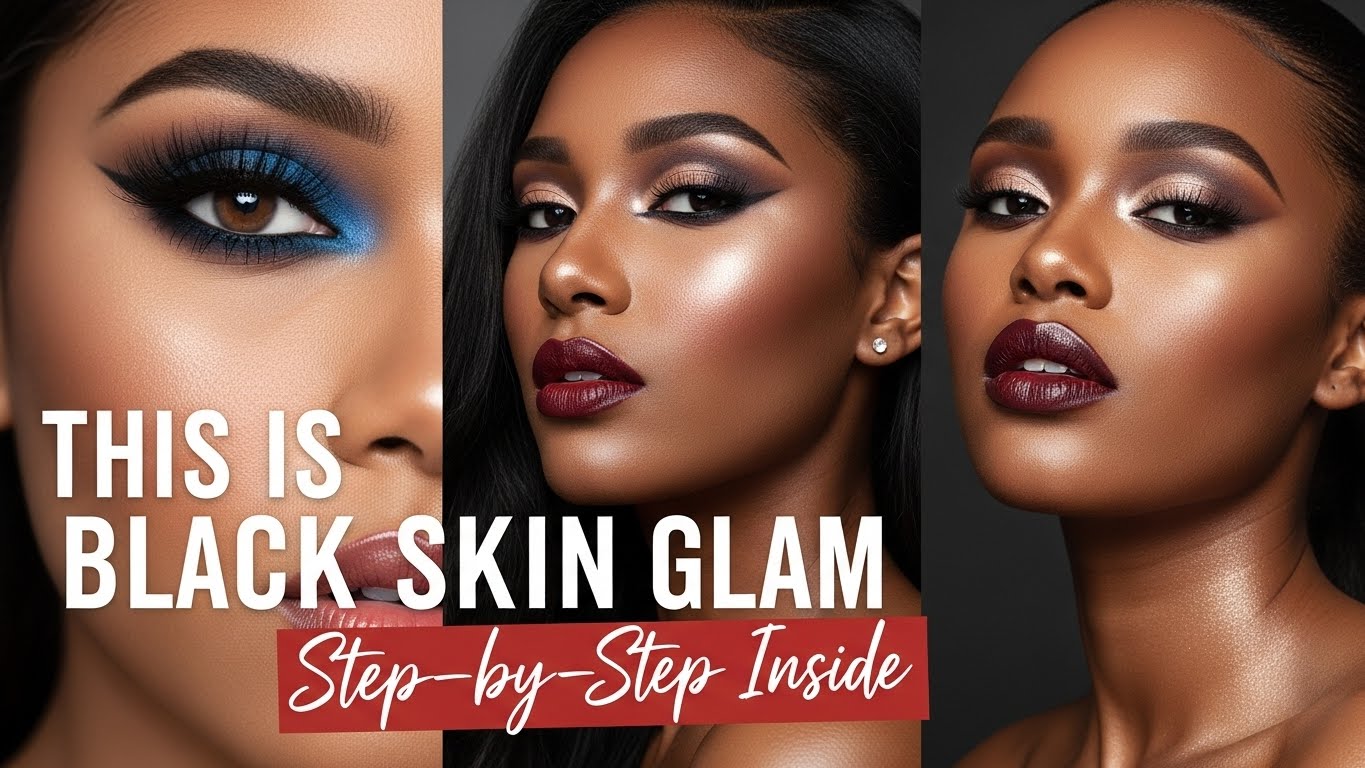
Black skin is a beautiful blend of rich pigment and unique undertones that make every person stand out in their own way. When it comes to makeup for black skin, the most important first step is understanding your natural undertone. Whether your skin leans warm, cool, or neutral, knowing this helps you choose shades that truly enhance your complexion. Black skin is more than just a color—it represents culture, identity, and self-expression. When makeup complements these natural qualities, it doesn’t hide beauty; it amplifies it, helping confidence shine effortlessly.

Historical Influence on the Black Skin Aesthetic in Makeup
For a long time, the beauty industry failed to properly represent black skin tones, offering limited shade ranges and unsuitable formulas. Over the years, this has changed thanks to strong voices within the black community demanding inclusivity. From traditional African beauty rituals to the bold glamour of jazz-era icons, black culture has always influenced makeup trends. Today’s makeup aesthetics beautifully blend this heritage with modern techniques, honoring the depth, creativity, and history behind black beauty.

The Essentials of Creating a Flawless Makeup Base for Black Skin
A flawless makeup look always starts with well-prepped skin. Moisturizing is essential, as hydrated skin creates a smooth base for makeup. Using a primer suited to your skin type—whether oily, dry, or combination—helps makeup last longer and apply more evenly. The aim isn’t to cover your skin completely, but to enhance its natural glow. Proper blending is key, allowing foundation and concealer to melt seamlessly into the skin for a fresh, radiant finish that looks natural all day.

Choosing the Right Foundation and Concealer for Deep Skin Tones
Finding the perfect foundation and concealer for deep skin tones used to be challenging, but today many brands offer inclusive shade ranges. The secret is matching both your skin tone and undertone for the most natural result. Testing shades along the jawline helps identify the best match. For concealer, choosing a shade slightly lighter than your foundation can brighten the under-eye area without looking harsh or unnatural.

Highlighting and Contouring Techniques Tailored for Black Skin
Highlighting and contouring can beautifully enhance facial structure when done with the right shades. Warm golds, deep peaches, and bronze highlights complement melanin-rich skin without appearing ashy. For contouring, shades slightly deeper than your natural tone help create soft shadows and definition. Blending is essential to keep everything seamless and natural. The goal is enhancement, not overpowering your features.

Eyeshadow and Eyeliner Looks: Enhancing Natural Elegance
Black skin is the perfect canvas for bold and vibrant eye makeup. Jewel tones, golds, bronzes, and deep purples stand out beautifully against melanin-rich skin. Whether you prefer a dramatic graphic eyeliner or a soft smoky eye, blending well ensures a polished look. Eye makeup is a chance to express creativity, mood, and personality—so don’t be afraid to experiment.

Lip Colors and Finishes that Compliment Black Skin
From deep reds and rich berries to earthy browns and bold unconventional shades, black skin can carry almost any lip color with confidence. Glossy, matte, or satin finishes each create a different mood. A glossy nude works well for everyday wear, while a deep plum or bold red can elevate an evening look. The best choice is always the one that makes you feel confident and powerful.

Navigating Popular Trends: Bold vs. Neutral Makeup on Black Skin
Makeup trends often move between bold statement looks and soft neutral styles. Black skin beautifully supports both. Bold makeup features vibrant liners, dramatic eyes, or statement lips, while neutral looks focus on enhancing natural features with soft tones. Knowing when to switch between these styles allows you to adapt your makeup for everyday wear or special occasions without losing your personal aesthetic.

The Role of Skincare in Enhancing Makeup Aesthetics for Black Skin
Healthy skin makes every makeup look better. Consistent cleansing, moisturizing, and sun protection help maintain an even tone and smooth texture. Skincare also helps manage concerns like hyperpigmentation, allowing makeup to sit better and last longer. When skincare is prioritized, makeup becomes an enhancement rather than a cover-up.

Common Challenges and Solutions in Makeup for Black Skin Tones
One common issue in makeup for black skin is products appearing ashy or dull. Choosing brands with inclusive shade ranges and testing products in natural light can help avoid this. Cream-based formulas often work better for maintaining a healthy glow. Addressing pigmentation requires both correct makeup shades and consistent skincare. With the right approach, these challenges are easy to overcome.

Spotlight on Beauty Brands with Inclusive Products for Black Skin
Brands like Fenty Beauty, Black Opal, and Juvia’s Place have transformed the beauty industry by prioritizing inclusivity. Their products are designed specifically for deeper skin tones, offering rich pigments and flattering undertones. Supporting such brands helps push the industry toward true representation and equality in beauty.

Inspirational Black Beauty Influencers and Makeup Artists to Follow
Black beauty influencers and makeup artists play a powerful role in representation. Creators like Jackie Aina, Pat McGrath, and Nyma Tang share expert tips, honest reviews, and tutorials tailored for black skin. Their work not only educates but also inspires confidence, creativity, and self-love across global beauty communities.

Future Trends: The Evolution of Black Skin Aesthetic in the Beauty Industry
The future of black skin aesthetics in beauty looks promising. Brands are becoming more inclusive, sustainable, and innovative, offering personalized products that celebrate individuality. With better technology and representation, makeup will continue to evolve as a powerful tool for self-expression, ensuring black beauty is not just included—but celebrated.