
Acne is more than just a skin concern—it often affects confidence, self-esteem, and daily comfort. Because hormones play a major role in triggering breakouts, it’s no surprise that many people wonder: does birth control help acne? Hormonal fluctuations are one of the most common causes of persistent acne, especially in women, and birth control is designed specifically to regulate hormones. This connection has sparked growing interest among dermatologists, skincare experts, and individuals searching for long-term acne solutions.
For some, birth control has been a game-changer, leading to clearer skin and fewer flare-ups. For others, results are mixed or depend heavily on the type of birth control used. Understanding how hormones influence acne, how birth control works, and who benefits most can help you make a confident, informed decision about your skin and overall health.
Understanding Acne: Hormones, Causes, and Skin Health
Acne develops when pores become clogged with oil, dead skin cells, and bacteria—but the story doesn’t end there. Hormones, particularly androgens, play a powerful role in increasing oil production. When oil levels rise, pores clog more easily, creating the perfect environment for breakouts.
Hormonal changes during puberty, menstrual cycles, pregnancy, stress, or medical conditions can all trigger acne flare-ups. Genetics, lifestyle habits, skincare routines, and even diet also contribute. Many people notice their acne worsens at certain times of the month, which highlights just how closely breakouts are tied to hormonal shifts. Recognizing acne as a hormone-driven condition—not just a surface issue—opens the door to treatments that address the root cause rather than temporary fixes.
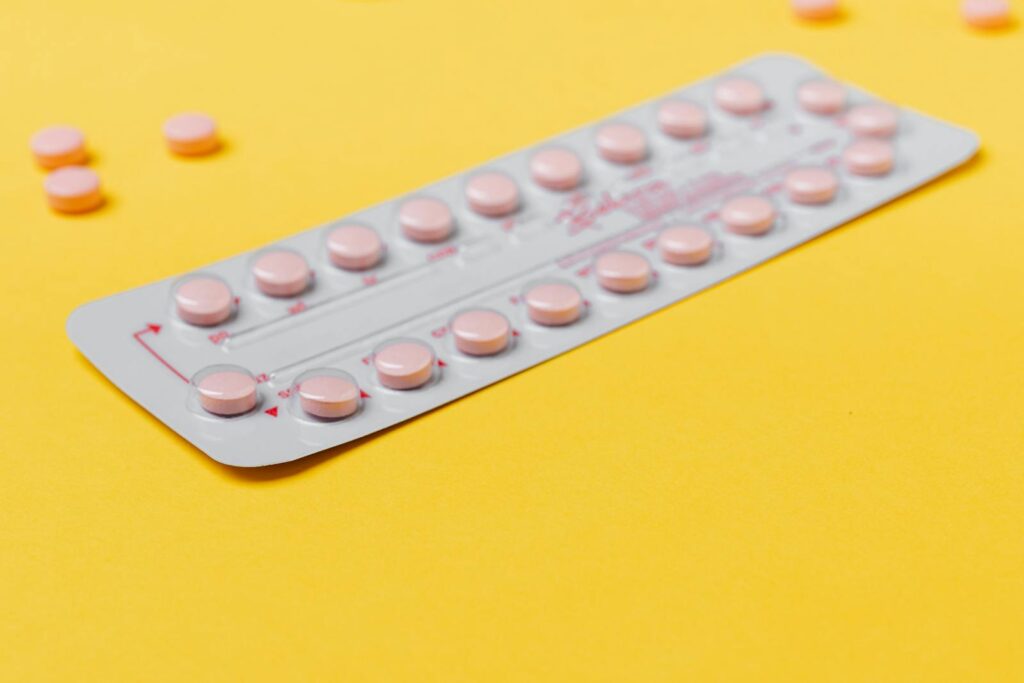
Birth Control Basics: Types, How It Works, and Skin Benefits
Birth control is commonly associated with pregnancy prevention, but its benefits often extend beyond contraception. Hormonal birth control methods—including pills, patches, rings, and injections—work by regulating estrogen and progestin levels in the body.
Combined oral contraceptives are especially relevant to acne treatment because they help reduce androgen activity. Since androgens stimulate oil production, lowering their impact can lead to fewer clogged pores and reduced inflammation. Many users report smoother skin and fewer breakouts once their hormones stabilize. While results vary, birth control can create a more balanced internal environment that supports healthier skin over time.
How Hormonal Birth Control Can Improve Acne
Hormonal birth control helps acne by targeting the internal triggers that cause excess oil production. By suppressing androgens, these medications reduce sebum output, which lowers the risk of clogged pores and inflammatory acne.
With hormone levels kept more stable, the skin is less likely to experience sudden flare-ups. Over time, this can lead to fewer breakouts, reduced redness, and a lower chance of acne scarring. Instead of treating acne from the outside only, birth control works internally—addressing one of the most common underlying causes of persistent breakouts.
Scientific Evidence: What Research Says About Birth Control and Acne
Scientific research supports the link between hormonal birth control and acne improvement. Studies consistently show that certain oral contraceptives decrease androgen levels and reduce oil production, leading to clearer skin for many users.
Dermatological trials have demonstrated measurable improvements in acne severity after several months of consistent use. However, effectiveness depends on the individual’s hormone profile and the specific formulation prescribed. While not every person sees dramatic results, research confirms that birth control can be an effective acne treatment for hormone-driven cases.
Pros and Cons of Using Birth Control for Acne
Using birth control for acne has clear advantages, but it’s not without drawbacks. On the positive side, many users experience fewer breakouts, smoother skin texture, and the added benefit of reliable contraception. For some, the improvement in skin confidence is life-changing.
However, potential side effects may include headaches, nausea, mood changes, or weight fluctuations. Some people may not see acne improvement at all, especially if their breakouts aren’t hormonally driven. The decision should always involve weighing the benefits against possible risks with the guidance of a healthcare professional.
Who Is Most Likely to Benefit From Birth Control for Acne?
Birth control tends to work best for individuals whose acne is closely linked to hormonal fluctuations. Women who experience cyclical breakouts around their menstrual cycle often see the most improvement.
That said, birth control isn’t suitable for everyone. Those with certain medical conditions—such as clotting disorders or cardiovascular risks—may need alternative treatments. Additionally, acne caused primarily by bacteria, skincare habits, or environmental factors may respond better to non-hormonal solutions. Personalized medical advice is essential when considering this option.
Alternative and Complementary Acne Treatments
Birth control is just one approach to acne management. Many people benefit from combining treatments for better results. Topical options like retinoids, salicylic acid, and benzoyl peroxide address surface-level concerns, while antibiotics and prescription medications target bacteria and inflammation.
Lifestyle adjustments—such as improving diet, reducing stress, maintaining a consistent skincare routine, and staying hydrated—can also support clearer skin. Natural remedies and holistic practices may further enhance results when used carefully. A well-rounded strategy often delivers the most sustainable improvement.
Expert Tips for Managing Acne Beyond Birth Control
Dermatologists emphasize that long-term acne management requires consistency and balance. Gentle cleansing, proper moisturizing, and daily sun protection form the foundation of healthy skin. Avoid harsh products that strip the skin, as they can worsen oil production.
Healthy sleep habits, stress management, and regular dermatology check-ins can make a noticeable difference. Acne isn’t static—it evolves over time—so your treatment plan should adapt with it. Listening to your skin and making thoughtful adjustments is key.
Final Thoughts: Is Birth Control the Right Acne Solution?
So, does birth control help acne? For many people, the answer is yes—but it’s not universal. Hormonal birth control can be an effective tool for managing hormone-related acne, especially when combined with proper skincare and healthy lifestyle choices.
The best approach is a personalized one. Understanding your body, consulting healthcare professionals, and considering both benefits and risks will help you make the right decision. Clearer skin is achievable, and with the right strategy, managing acne can feel far more empowering than overwhelming.