
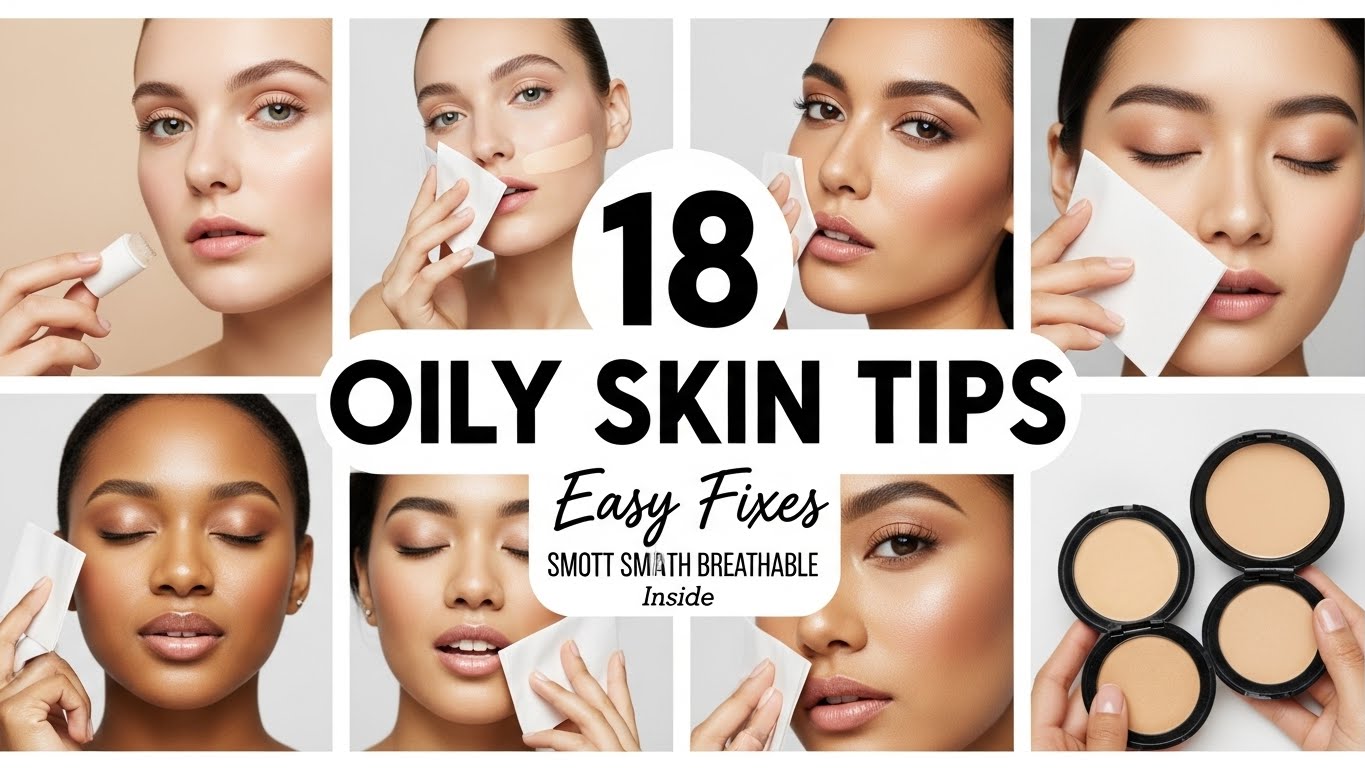
Oily skin is one of the most common skin types, yet it can also be one of the most challenging to manage. Excess oil can make your face look shiny, cause makeup to slide off, and lead to clogged pores or breakouts. But the good news? Oily skin isn’t a flaw—it’s simply a skin type that needs the right care. With proper techniques, smart product choices, and a consistent routine, you can control excess shine while keeping your skin healthy and balanced. Whether you’re heading out for a long workday or getting ready for a special event, these tips will help you maintain a fresh, confident look all day long.
Benefits of Understanding Oily Skin
Oily skin often gets a bad reputation, but it actually has some hidden benefits. The natural oils produced by your skin help keep it hydrated and can slow down the appearance of fine lines and wrinkles. People with oily skin often age more gracefully because their skin stays naturally moisturized. The key is learning how to manage oil without stripping your skin. When balanced properly, oily skin can look smooth, radiant, and healthy rather than greasy. Understanding your skin type allows you to work with it—not against it.

Preparing Your Skin for Oil Control
Proper preparation is the foundation of managing oily skin. Start with a gentle cleanser that removes dirt, sweat, and excess oil without over-drying your face. Washing your face twice a day—morning and night—is usually enough. After cleansing, use a lightweight, oil-free moisturizer. Many people with oily skin skip moisturizer, but that can actually make oil production worse. Well-hydrated skin is less likely to overproduce oil. Adding a toner with ingredients like niacinamide or witch hazel can also help refine pores and control shine.
Essential Products for Oily Skin
Choosing the right products can completely change how oily skin behaves. Look for gel-based or water-based moisturizers that feel light on the skin. Oil-free sunscreens are a must, as heavy formulas can clog pores. If you wear makeup, opt for mattifying or long-wear foundations labeled “non-comedogenic.” Clay masks and salicylic acid treatments can help absorb excess oil and prevent breakouts when used a few times a week. The goal is balance—products should control oil without irritating your skin
Application Techniques That Make a Difference
How you apply your skincare and makeup matters just as much as what you use. When applying moisturizer or sunscreen, gently press it into the skin instead of rubbing aggressively. This helps products absorb better. For makeup, use thin layers rather than applying too much at once. A damp sponge can help blend foundation evenly without adding heaviness. Blotting papers are great for absorbing oil throughout the day without disturbing your makeup. Light, careful application keeps your skin looking fresh instead of overloaded.
Common Mistakes and How to Avoid Them
One of the biggest mistakes people with oily skin make is over-washing their face. This can strip the skin and trigger even more oil production. Another mistake is using harsh alcohol-based products, which can irritate the skin. Skipping sunscreen is also common but harmful—sun damage can worsen oiliness and breakouts. Lastly, using too many active ingredients at once can overwhelm your skin. Stick to a simple, consistent routine for the best results.
Choosing the Right Ingredients for Oily Skin
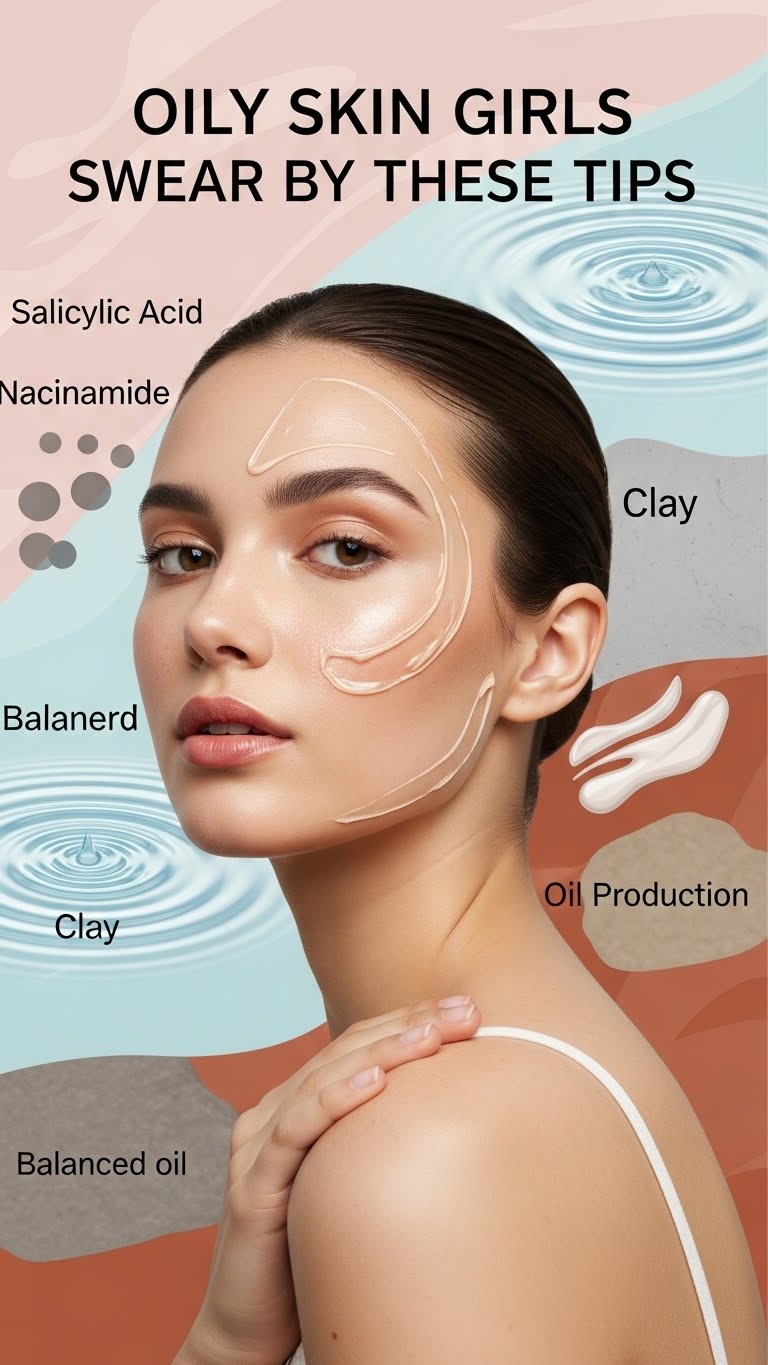
Ingredients matter when it comes to controlling oil. Look for salicylic acid to help unclog pores, niacinamide to regulate oil production, and clay to absorb excess sebum. Lightweight humectants like hyaluronic acid provide hydration without heaviness. Avoid thick oils and heavy creams that can clog pores. Reading labels and understanding what your skin responds to can save you from unnecessary breakouts and shine.
Day-to-Night Skin Care Adjustments
Transitioning your skincare routine from day to night is important for oily skin. During the day, focus on oil control and protection—cleanser, lightweight moisturizer, and sunscreen are essential. At night, your skin goes into repair mode. This is the best time to use treatments like exfoliants or oil-controlling serums. A gentle nighttime routine helps keep oil under control while improving overall skin texture.
Keeping Oil Under Control All Day
Managing oily skin throughout the day doesn’t require constant washing. Instead, use blotting papers or a light mattifying powder on oily areas like the T-zone. A facial mist designed for oily skin can refresh your face without adding shine. Staying consistent with your skincare routine and avoiding touching your face frequently can also make a big difference. Small habits add up to noticeable results.
Expert Tips from Skincare Professionals
Skincare experts often recommend treating oily skin gently. Use lukewarm water instead of hot, as heat can stimulate oil glands. Exfoliate only two to three times a week to avoid irritation. Professionals also suggest patch-testing new products before applying them to your entire face. Consistency and patience are key—oily skin improves over time with the right care.
















FAQs About Oily Skin
AccordioYes, oily skin can still lack water. That’s why lightweight hydration is important.n content.
Two to three times a week is enough to keep pores clear without irritating your skin..
Not always. Some lightweight oils can actually help balance oil production when used correctly.
Conclusion: Embrace and Balance Your Oily Skin
Oily skin doesn’t have to be a struggle. With the right knowledge, products, and habits, you can control shine while keeping your skin healthy and comfortable. Instead of trying to eliminate oil completely, focus on balance and care. When treated properly, oily skin can look smooth, fresh, and radiant every day. Embrace your skin type, follow these tips, and enjoy a confident, shine-free glow.