
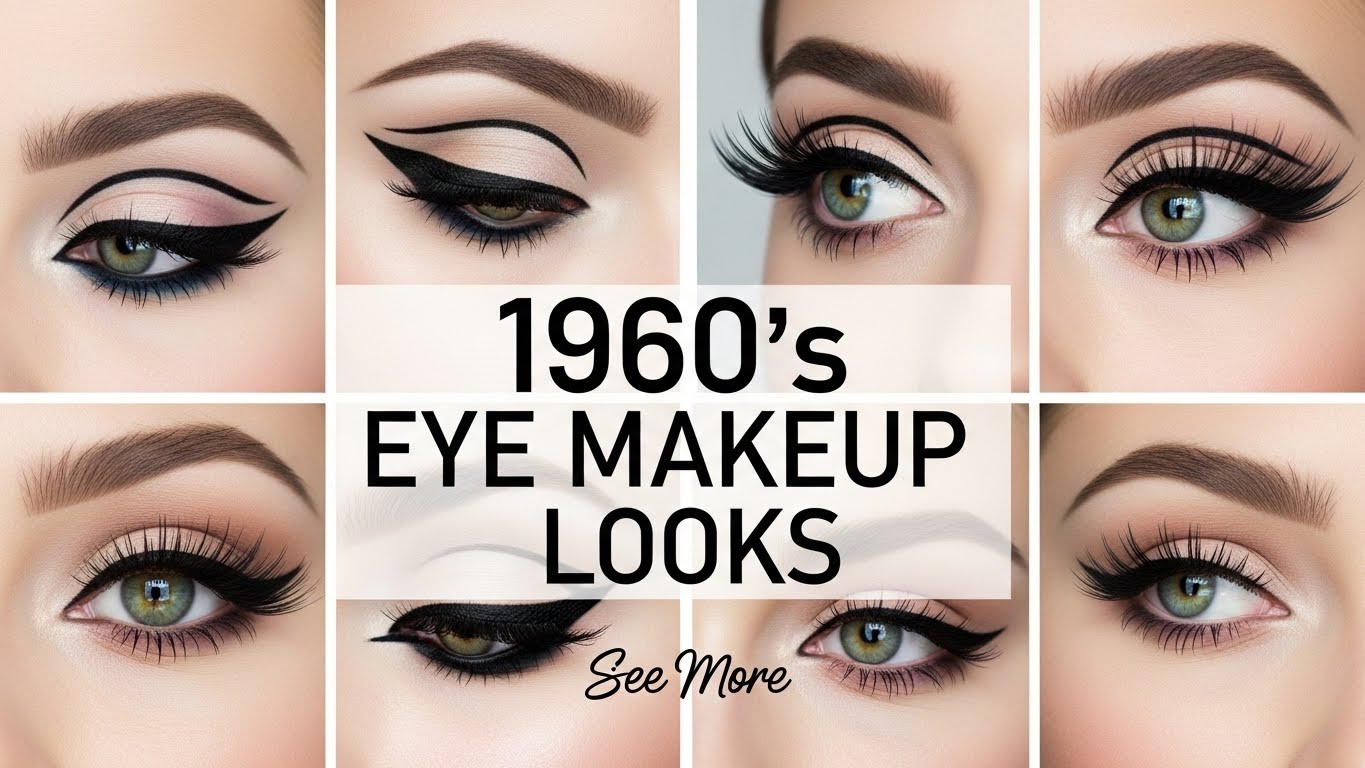
The 1960s were a bold and revolutionary era for beauty, especially when it came to eye makeup. This decade broke all the rules and introduced dramatic, expressive eye looks that are still admired today. Inspired by cultural shifts, fashion freedom, and fearless experimentation, 1960s makeup eyes became a symbol of individuality and confidence. From oversized lashes to graphic eyeliner, this era transformed eye makeup into a true art form. Whether you love vintage glam or want to recreate a retro-inspired look, exploring 1960s eye makeup is like stepping into one of beauty’s most iconic chapters.
Fashion Icons Who Shaped 1960s Eye Makeup Trends
The influence of fashion icons in the 1960s cannot be overstated. Twiggy revolutionized beauty standards with her wide-eyed, doll-like appearance, featuring dramatic false lashes and sharply defined creases. Brigitte Bardot brought a sultry edge with smoky lids and soft, winged eyeliner, while Audrey Hepburn kept things elegant with clean lines and timeless definition. These women didn’t just follow trends—they created them. Their signature looks encouraged women everywhere to embrace bold eyes as a form of self-expression and personal style.
Defining Features of 1960s Makeup Eyes
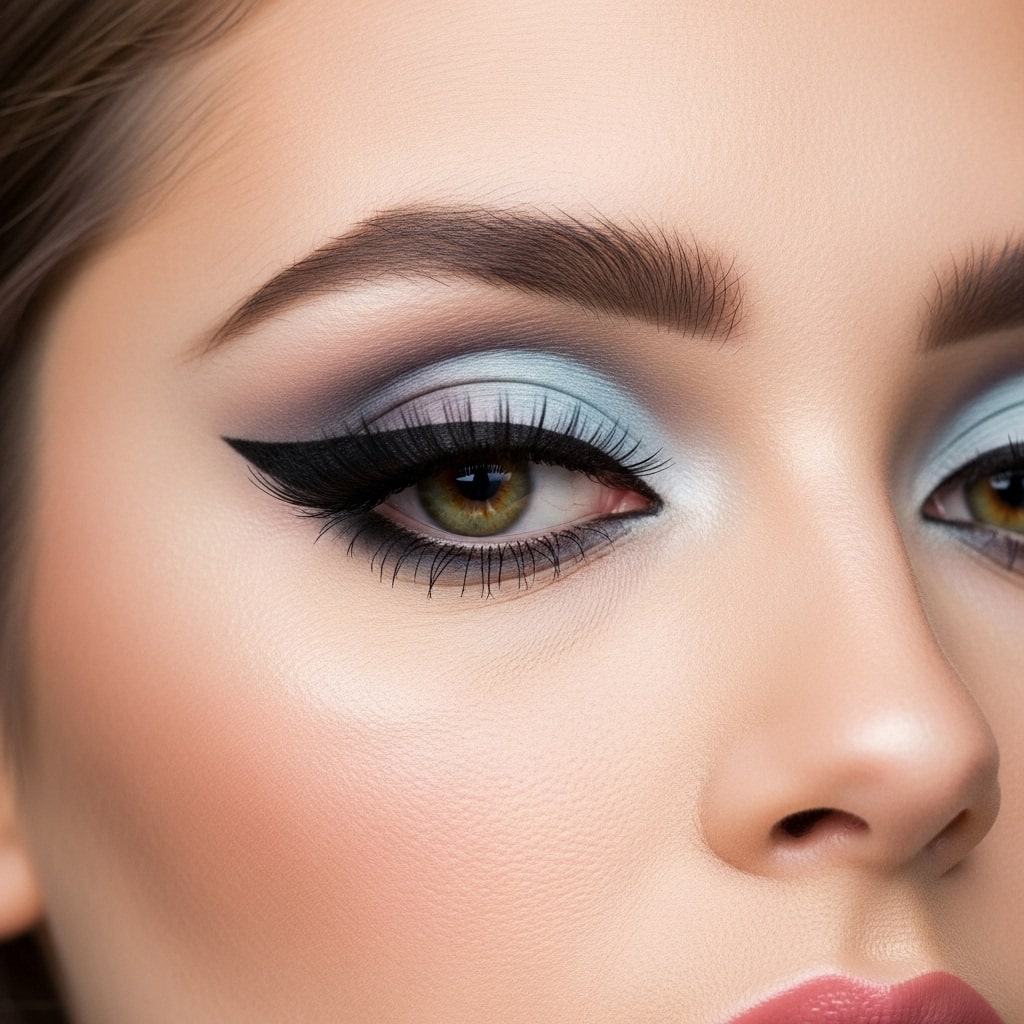
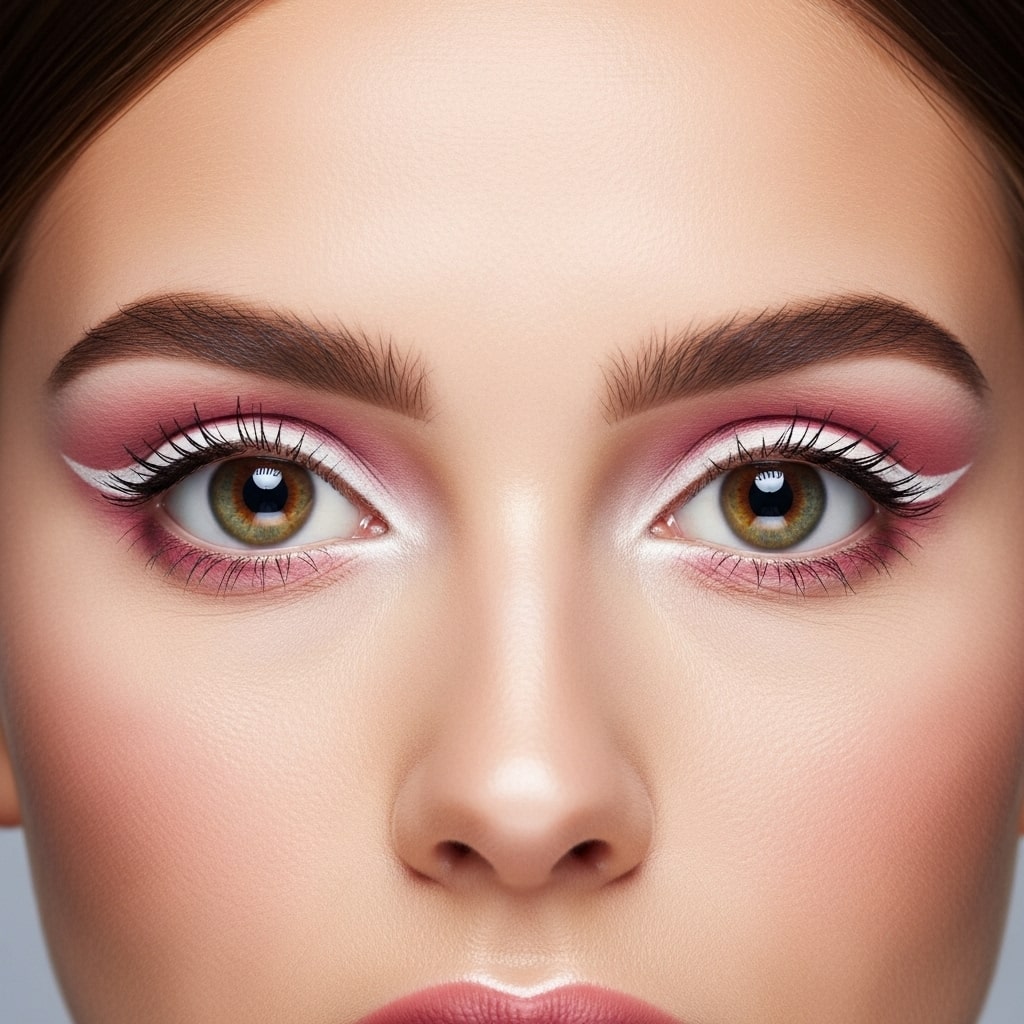
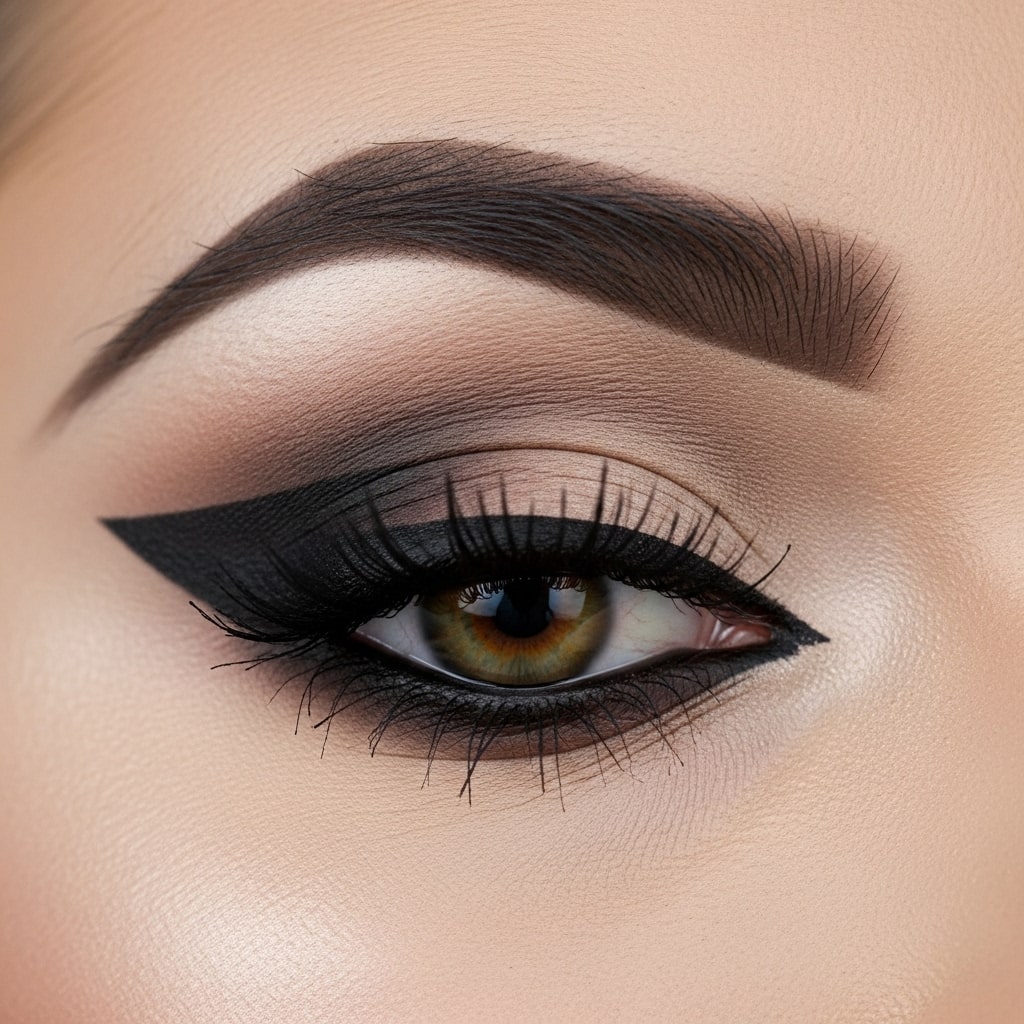
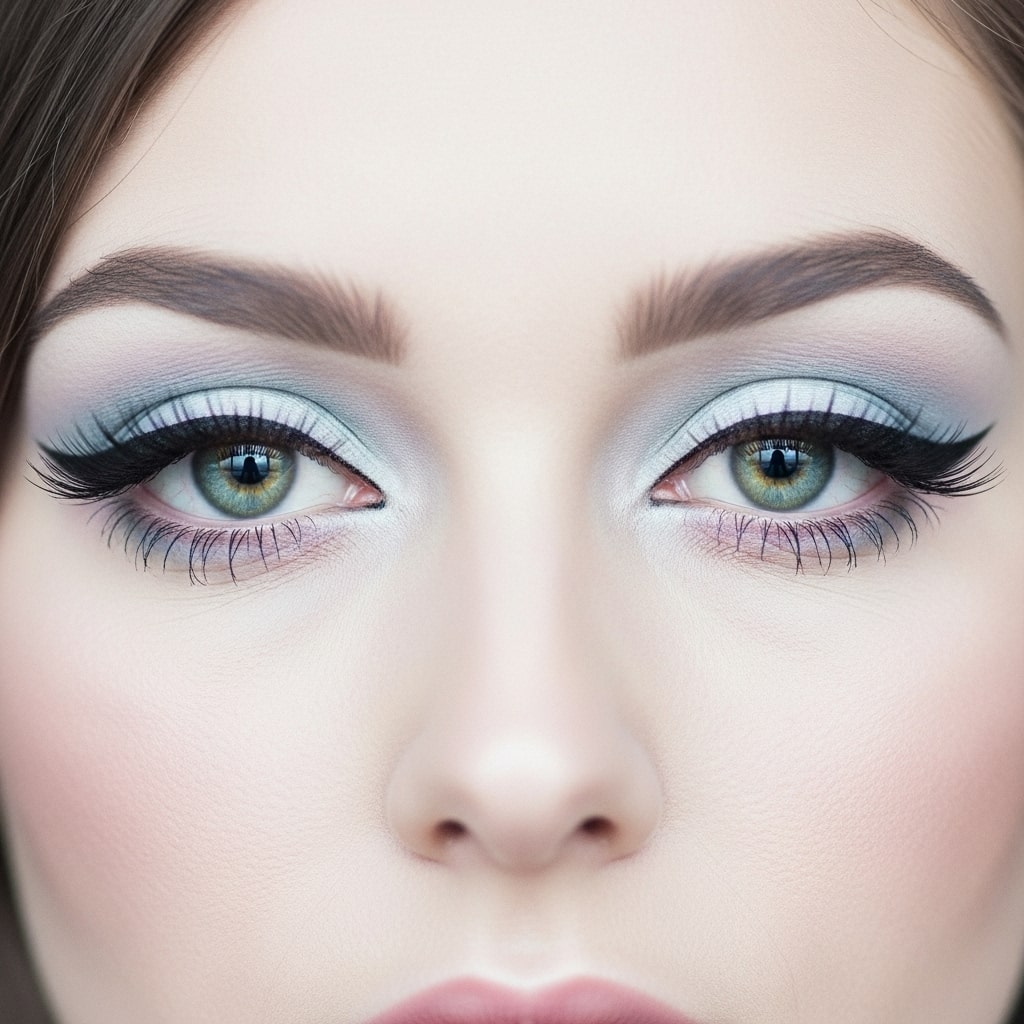
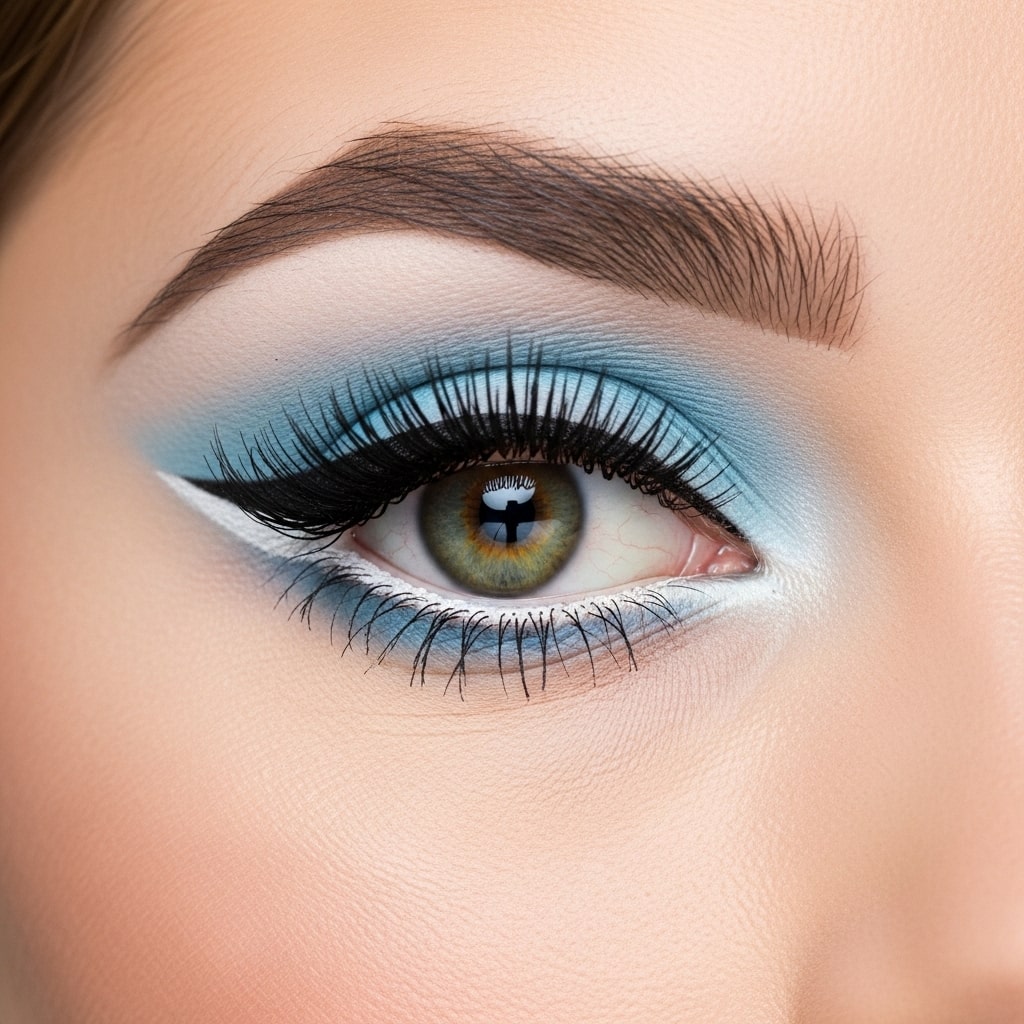
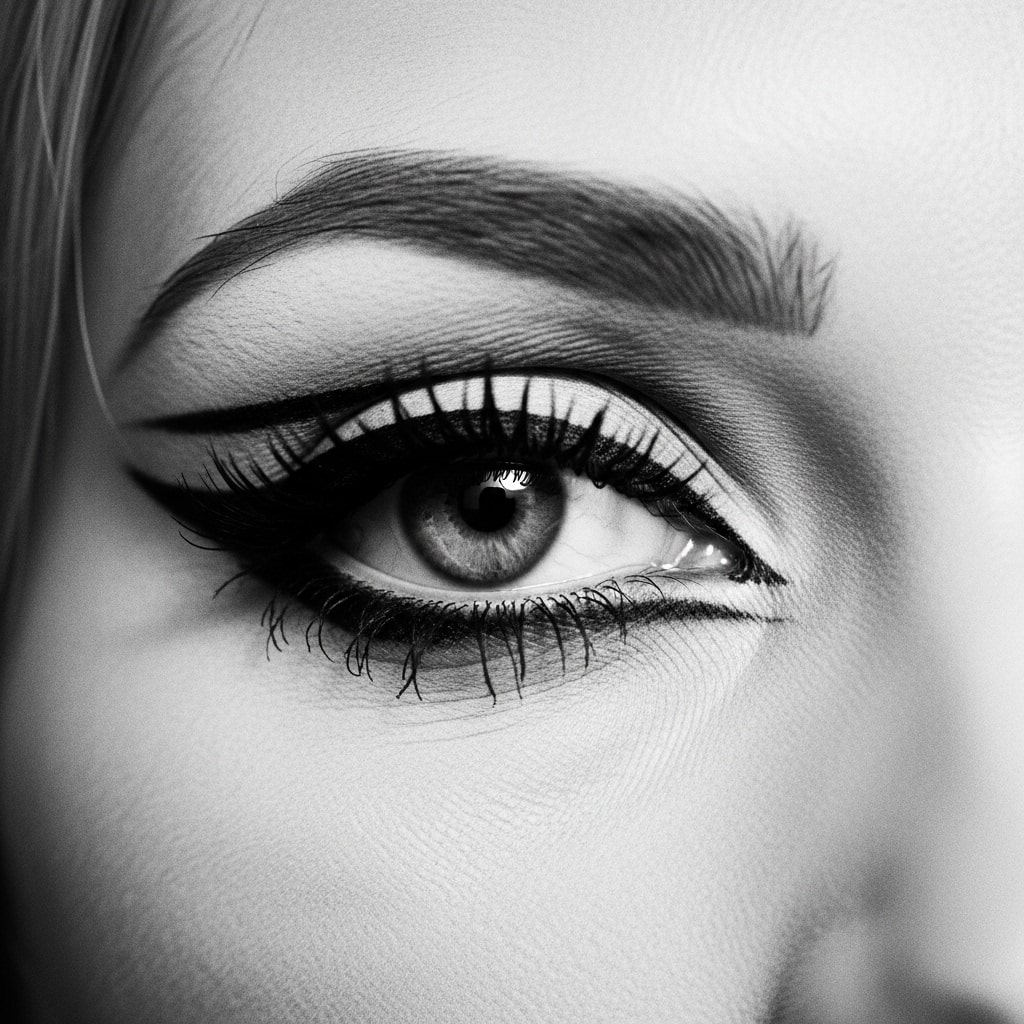
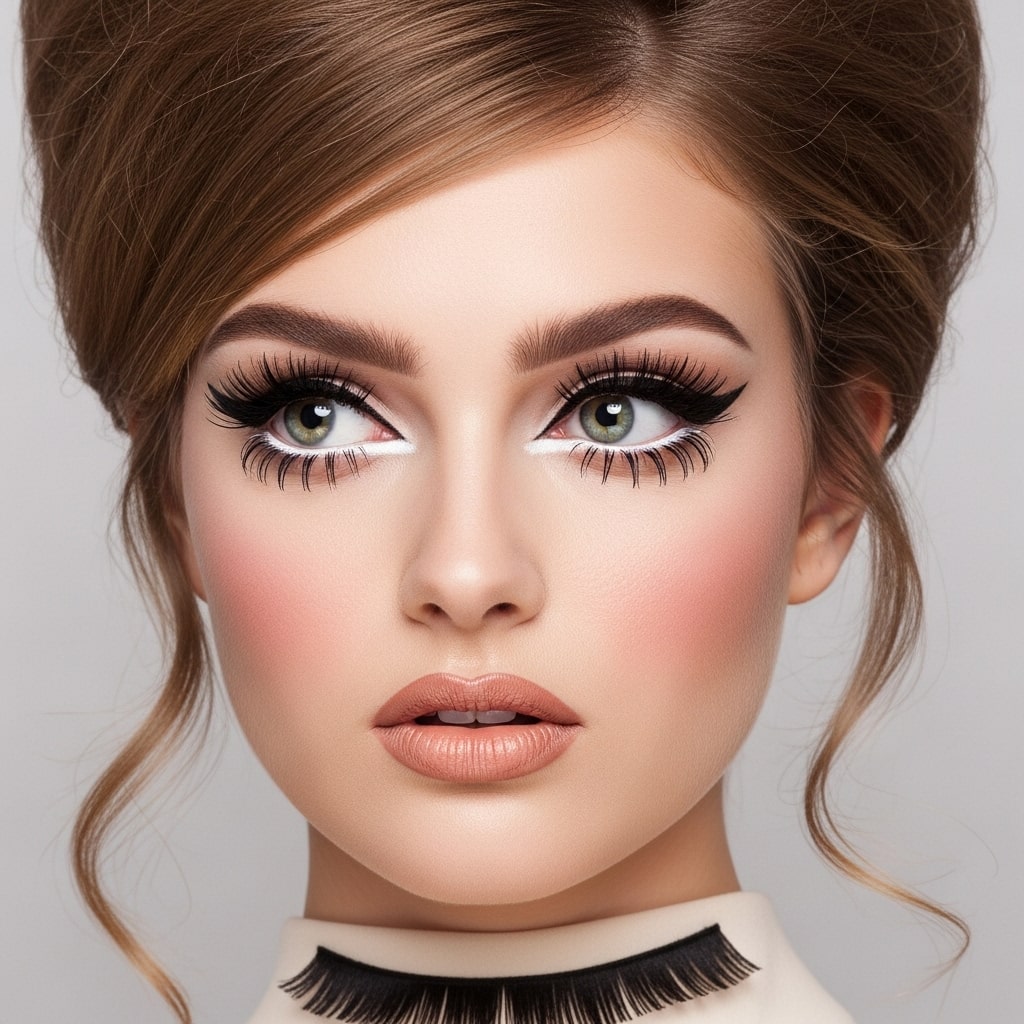
What made 1960s makeup eyes so unforgettable was the emphasis on strong structure and contrast. Thick eyeliner, sharply defined creases, and exaggerated lashes were the foundation of this iconic look. White or nude eyeliner on the waterline was commonly used to make the eyes appear larger and brighter. Pastel eyeshadows paired with bold liner created a striking balance between softness and drama. Every detail was intentional, turning the eyes into the main focal point of the face.
Must-Have Tools for Creating 1960s Eye Makeup
To recreate authentic 1960s makeup eyes, having the right tools is essential. A precision liquid eyeliner helps achieve clean, graphic lines, while volumizing mascara builds the signature lash-heavy look. False eyelashes—often bold and dramatic—are a key element. Pastel and neutral eyeshadow palettes allow you to play with classic 60s colors, and fine blending brushes help keep edges smooth. A white or nude eye pencil completes the look by opening up the eyes instantly.
Step-by-Step Guide to Classic 1960s Eye Makeup
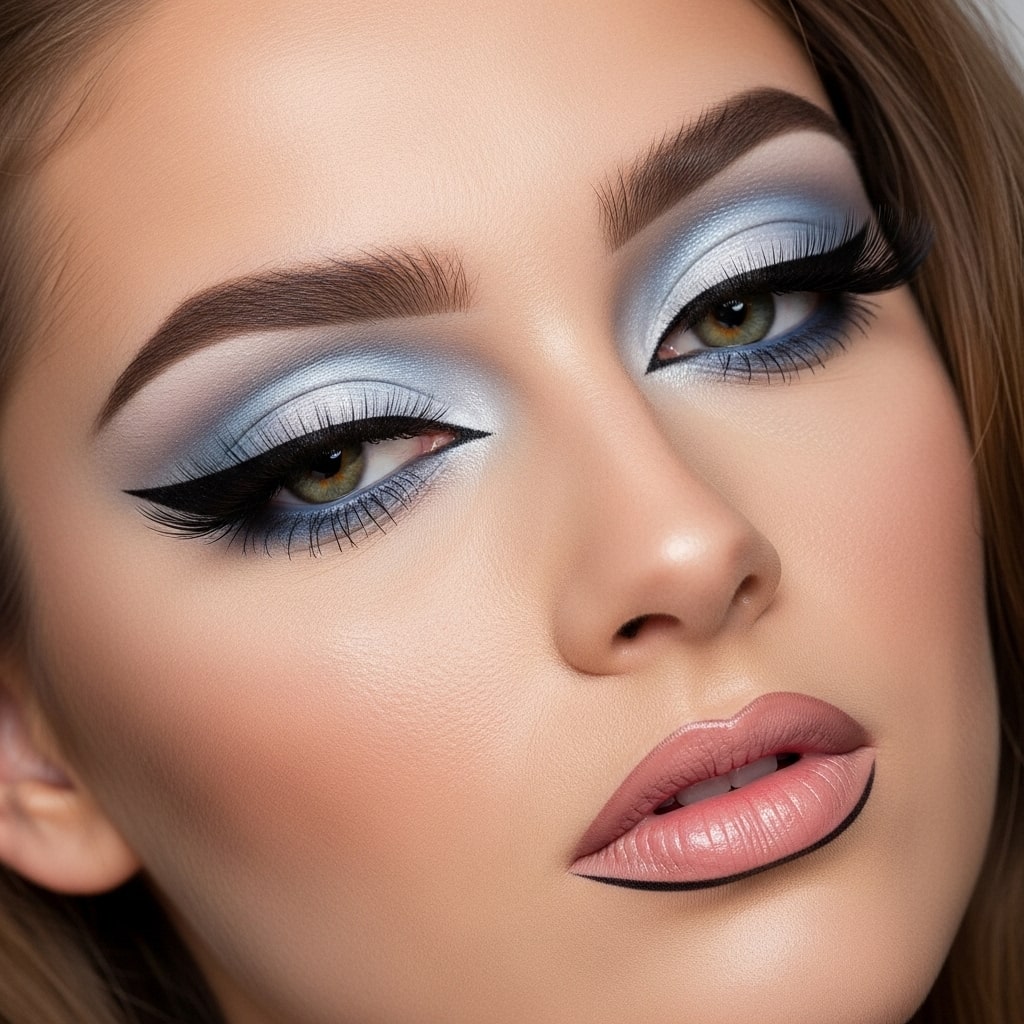
Start by applying a neutral base eyeshadow to create a smooth canvas. Next, apply a pastel shade—like baby blue or soft pink—across the lid. Define the crease using a slightly darker shade to create that iconic cut-crease effect. Draw a bold line along the upper lash line with liquid eyeliner, extending it into a dramatic wing. Apply mascara generously or add false lashes for extra impact. Finish by lining the waterline with white eyeliner to achieve that wide-eyed 1960s effect.
Popular Eyeshadow Colors of the 1960s
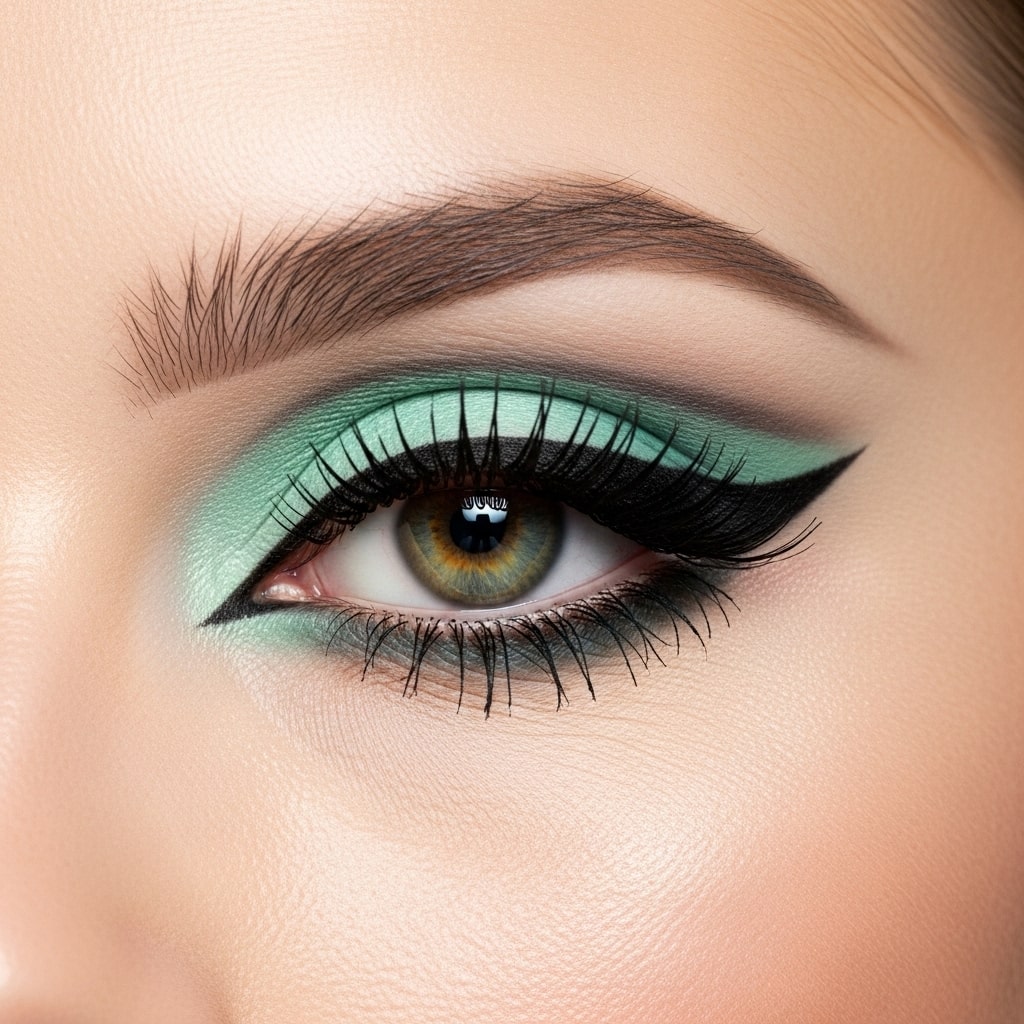
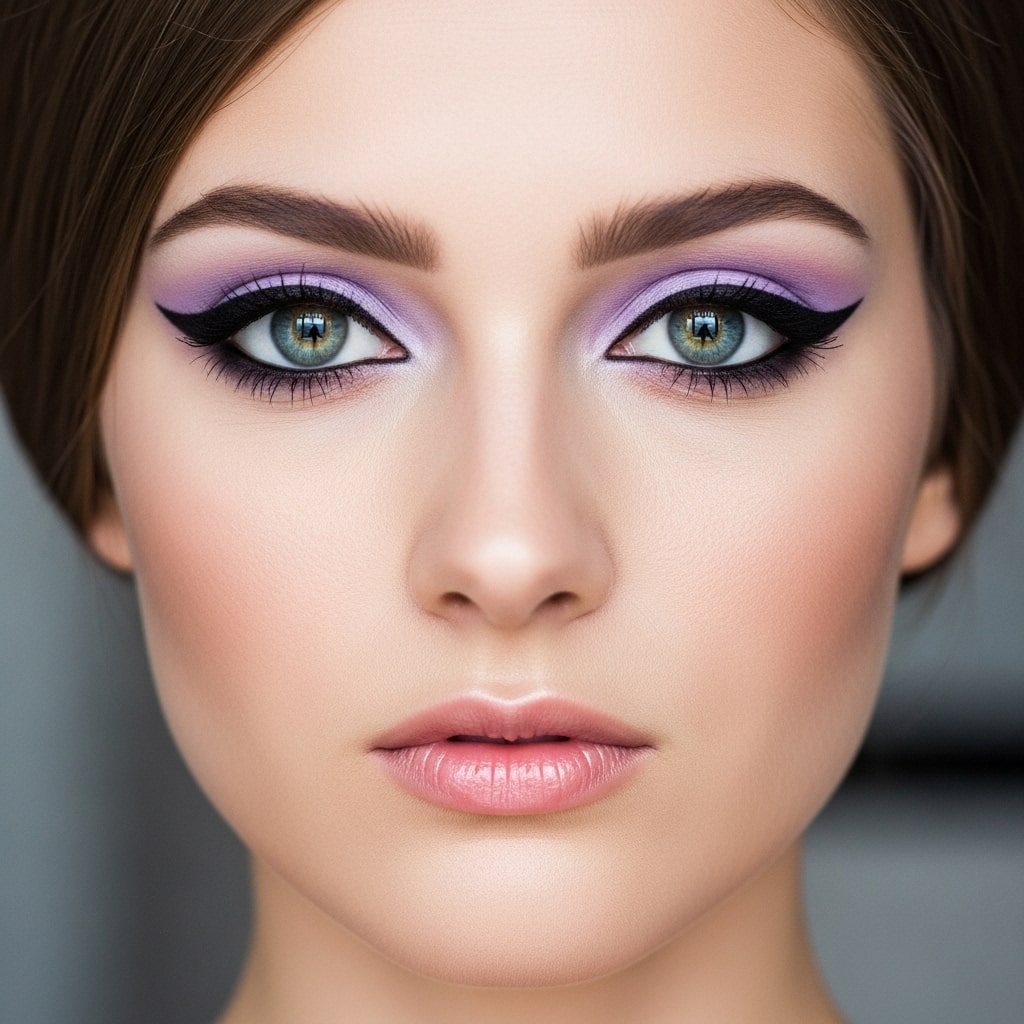
Color played a huge role in 1960s makeup eyes. Pastels dominated the scene, with light blue, mint green, lavender, and soft pink being especially popular. Frosty finishes added a glamorous touch, especially for evening looks. Darker shades like charcoal, brown, and navy were often used in the crease or lash line to add depth. These color combinations helped create a striking contrast that defined the era’s eye makeup style.
The Iconic 1960s Cat Eye Look
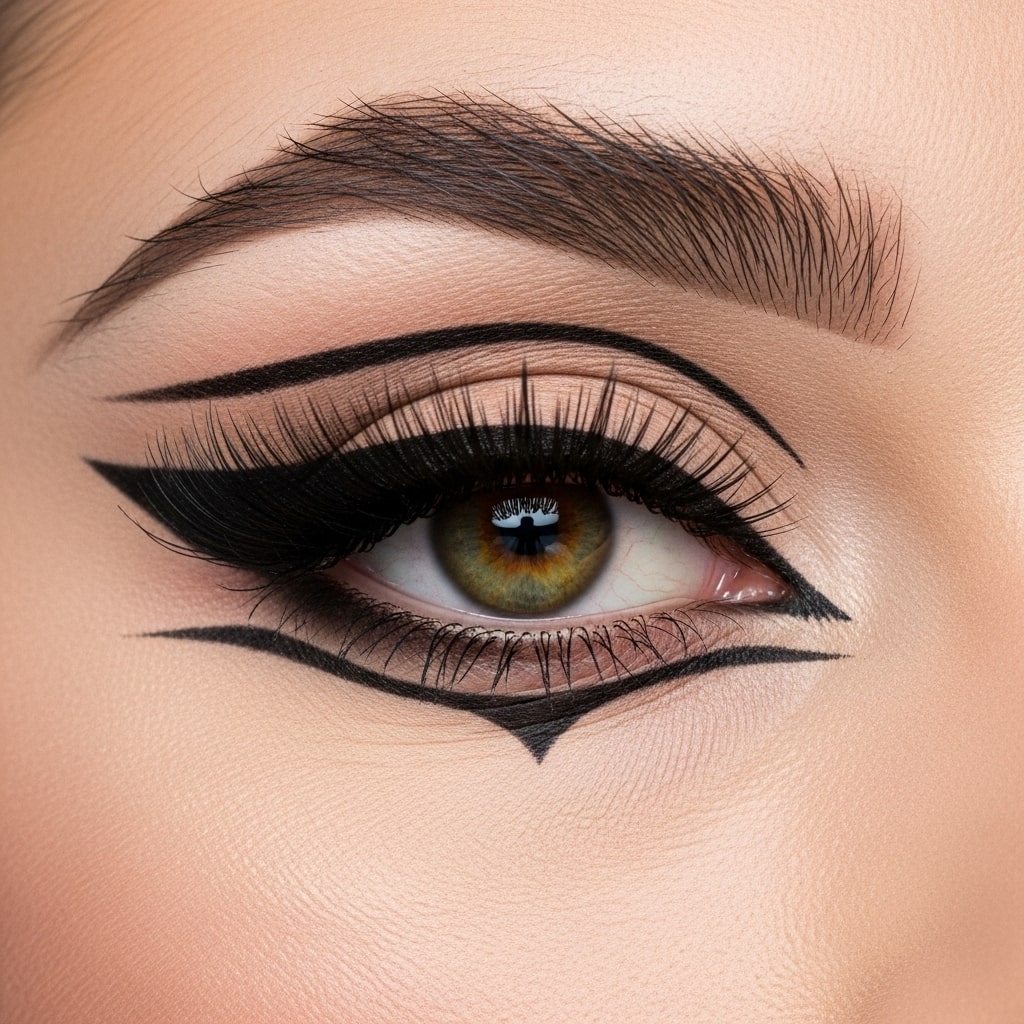
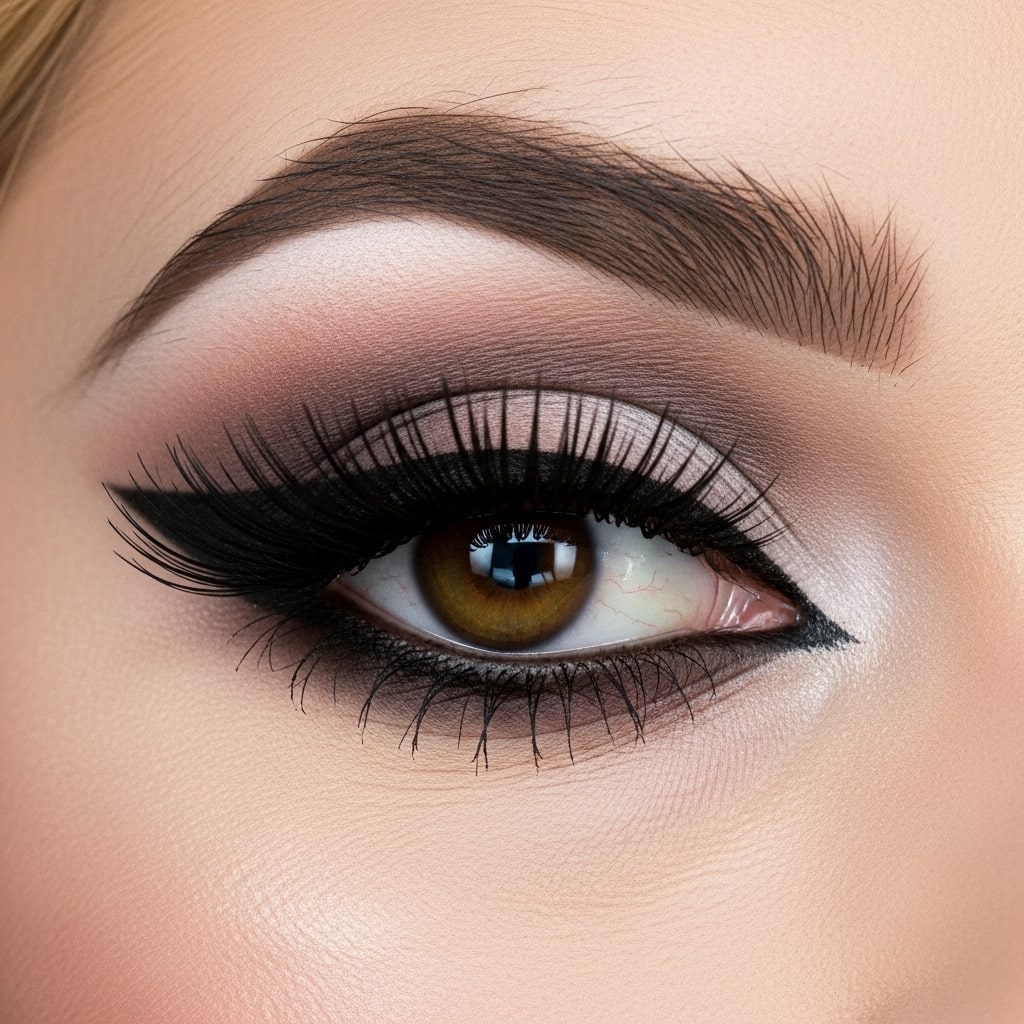
The cat eye became one of the most recognizable eyeliner styles of the 1960s. Sharp, elongated wings added drama and attitude to any look. This style emphasized confidence and rebellion while still looking polished. Whether thick and graphic or soft and subtle, the cat eye remains a timeless trend that continues to dominate modern makeup looks inspired by the 60s.
Twiggy’s Lash-Focused Eye Makeup Trend
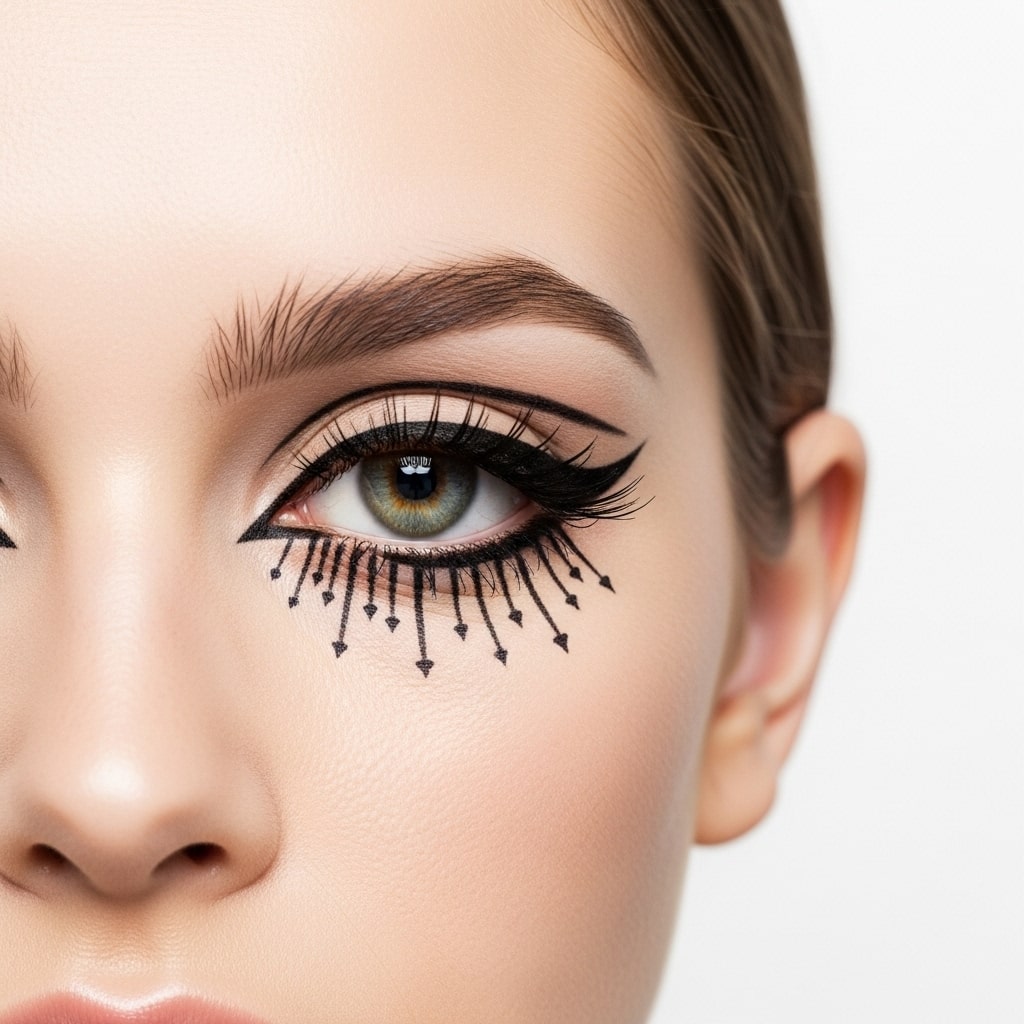
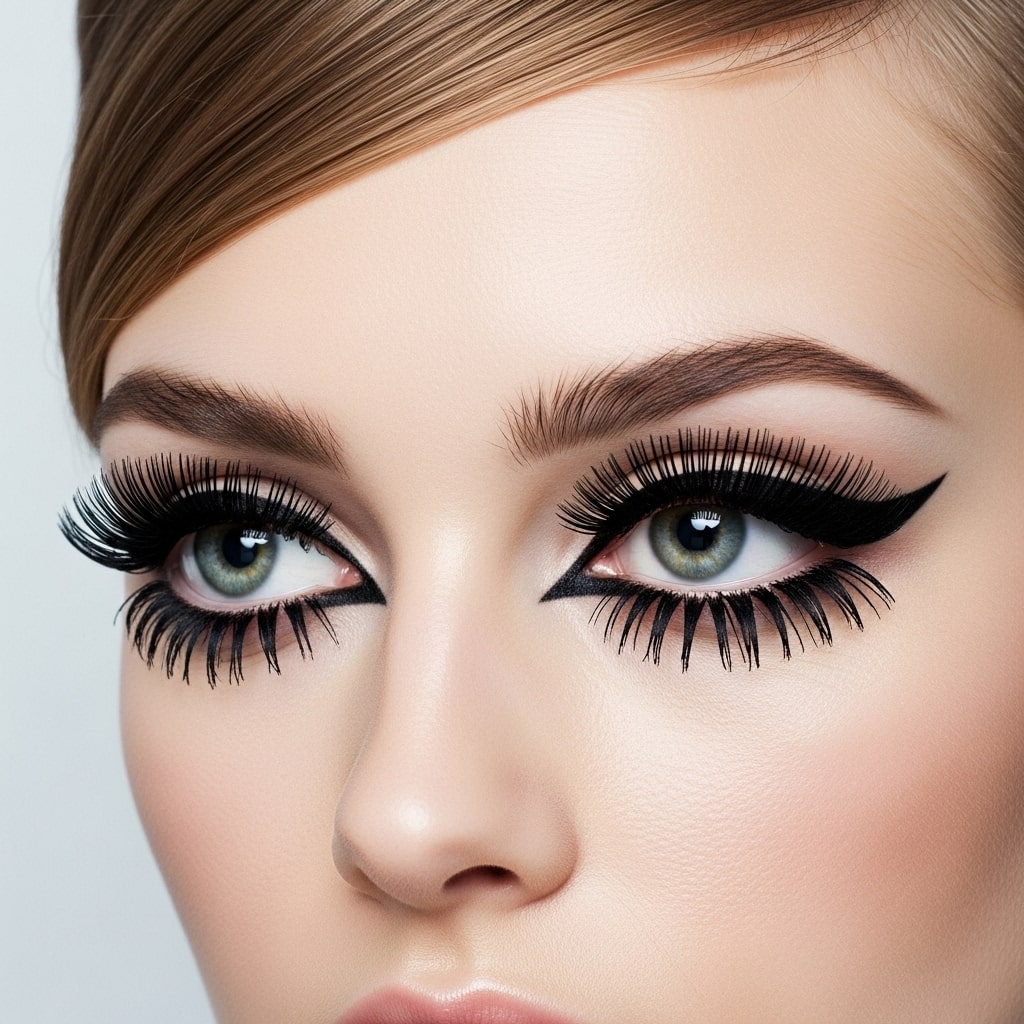
Twiggy’s signature eye makeup changed beauty forever. Her heavy upper and lower lashes created a bold, doll-like appearance that became instantly iconic. False lashes were often layered, and lower lashes were sometimes drawn on for extra emphasis. Paired with defined creases and minimal lip color, this look highlighted the eyes in a way that felt playful yet powerful.
Balancing 1960s Eye Makeup with Soft Lips and Cheeks
Although eyes were dramatic in the 1960s, lips and cheeks were usually kept understated. Nude, pale pink, or peach lip shades allowed the eye makeup to stand out. Blush was applied lightly to maintain a fresh, youthful appearance. This balance ensured the overall look felt stylish rather than overwhelming.
Modern Ways to Wear 1960s Makeup Eyes Today
Today’s beauty lovers are reinventing 1960s makeup eyes with a modern twist. Graphic liners are paired with shimmer or glitter, and false lashes are combined with glowing skin for a contemporary finish. Social media and beauty influencers have revived this trend, proving that 1960s eye makeup can feel just as relevant and exciting today.
Famous Faces Known for 1960s Eye Makeup
Icons like Elizabeth Taylor, Sophia Loren, Diana Ross, and Audrey Hepburn all contributed to the popularity of 1960s eye makeup. Their unique interpretations—from dramatic liner to glamorous lashes—helped define the decade’s beauty standards. These looks continue to inspire makeup artists and enthusiasts worldwide.
Tips for Wearing 1960s Eye Makeup Every Day
To make 1960s makeup eyes wearable for daily life, try softening the eyeliner or using neutral shades instead of bold pastels. Keep lashes defined but not overly dramatic, and pair the look with modern outfits. This approach keeps the retro vibe while making it suitable for everyday wear.
Common Mistakes to Avoid with 1960s Eye Makeup
Overdoing eyeliner, skipping blending, or choosing the wrong eyeshadow shade can ruin the look. Avoid heavy lower-lash mascara that creates a messy effect. Precision and balance are key—1960s eye makeup should look bold but polished.



Why 1960s Makeup Eyes Still Inspire Beauty Trends
The lasting appeal of 1960s makeup eyes lies in their creativity, confidence, and fearless style. These looks celebrate individuality and artistic expression, making them timeless. Whether recreated authentically or adapted with modern flair, 1960s eye makeup continues to inspire new generations of beauty lovers.